OEM Low Nic Light Users: Landed Cost for Convenience Stores
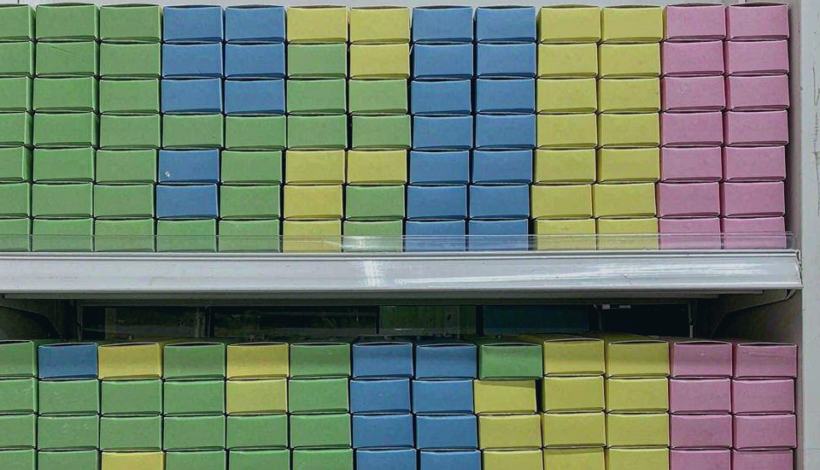
Working through Low Nic Pods for Light Users properly means answering a handful of unglamorous questions early. Do that and the rest of the order tends to run quietly. The sections below cover those questions in the order they matter.
Documentation Set You Should Request
Good documentation on Low Nic Pods for Light Users tells you who made the goods, when, and to what specification. That matters for traceability if a batch is ever questioned, and it matters for your own stock rotation.
Keep a single folder per Low Nic Pods for Light Users shipment: quotation, approved sample reference, inspection report and shipping documents. Six months later, when you are reordering, that folder is the fastest way to repeat a good result.
Specifications Worth Checking Before You Order
A good specification for Low Nic Pods for Light Users is measurable. Capacity, resistance, material thickness and finish should all have a stated tolerance, not a marketing range. When tolerances are missing, quality arguments later become opinion against opinion, and that is a conversation you will not win from another continent.
Write the specification for Low Nic Pods for Light Users the way a warehouse would check it: what can be counted, weighed or measured in five minutes. That phrasing survives the jump from sales team to production line far better than adjectives do.
Three specification lines cause most disputes on Low Nic Pods for Light Users orders: capacity tolerance, material grade and finish consistency. Ask for measured values rather than nominal ones, and request photographs of the actual production batch instead of a catalogue render. It takes an extra day and removes most of the risk.

Storage, Handling and Shelf Life
Warehouse conditions matter more for Low Nic Pods for Light Users than most buyers assume. A few degrees of temperature difference over a summer changes how the product presents on the shelf. If you are storing through a hot season, plan for it rather than discovering it in returns.
Low Nic Pods for Light Users degrades in predictable ways: heat, light and time. Store in a cool, dry place away from direct sunlight and rotate stock by production date. Those two habits prevent most of the quality complaints that get blamed on the factory.
Margin Maths for Retailers
A useful exercise with Low Nic Pods for Light Users: calculate what a 5 percent improvement in landed cost does to annual profit, and compare that with what a 5 percent price increase does. The first is usually easier and does not risk volume.
Retailers who track Low Nic Pods for Light Users by margin per shelf metre rather than margin per unit consistently make better range decisions. The product that earns slightly less per unit but turns twice as fast is usually the better use of the space.
Margin on Low Nic Pods for Light Users is decided at the purchase stage. Landed cost per sellable unit, not unit price, is the number that matters — and it includes freight, duty, shrinkage and the small percentage that never sells at full price.
| Check Point | Method | Acceptance Criteria |
|---|---|---|
| Carton count | Physical count | Must match the packing list exactly |
| Appearance | Random sampling | Defect rate below the agreed threshold |
| Function check | Sampled units | Consistent with the approved sample |
| Packaging integrity | Drop and seal check | No deformation at arrival |
Minimum Order Quantities and Carton Planning
MOQ on Low Nic Pods for Light Users is usually set by whatever makes a production run efficient, not by any fixed rule. If your requirement is below the standard minimum, ask whether a mixed carton or a shared production slot is possible instead of accepting a large surplus you cannot sell through.
Plan Low Nic Pods for Light Users cartons around how the goods will actually be handled: how many times they are transferred, what the last leg looks like, and whether the carton will be opened for inspection. Those answers matter more to damage rates than the carton grade on paper.
Packaging, Labelling and Shelf Readiness
Retail-ready packaging changes the economics of Low Nic Pods for Light Users more than most buyers expect. Barcodes, language variants and warning statements vary by destination, and fixing them after production means relabelling by hand. Confirm the artwork requirements for your market before the run starts.
Shelf presentation is where Low Nic Pods for Light Users either sells or sits. Carton dimensions, facing count and how quickly a shopper can read the flavour all affect turnover. If the packaging only works in a warehouse, you have pushed that cost onto the retailer.
Labelling rules move, and Low Nic Pods for Light Users is no exception. Build a habit of confirming the current requirement for each destination at the point of order rather than reusing last year's artwork file. The cost of a reprint is small; the cost of a detained shipment is not.
Retail Merchandising Ideas That Move Stock
Rotate the Low Nic Pods for Light Users facing every few weeks. Even without changing the range, moving the position refreshes attention and surfaces stock that has settled into a blind spot near the counter.
Merchandising Low Nic Pods for Light Users well is mostly about legibility. A shopper should be able to identify the product type and the variant from a metre away. If they have to pick things up to compare, you have already lost part of the sale.
- Use one approved sample reference for every repeat order
- Request the full document set during production
- Keep a reorder calendar instead of reacting to stockouts
- Plan cartons around real handling, not catalogue photos
- Track weekly sell-through to catch the seasonal turn
We keep the ordering process for Low Nic Pods for Light Users deliberately simple: agree the specification, approve a sample, confirm the carton plan, then ship. If that sounds like the way you prefer to work, get in touch with your requirements.
Frequently asked questions
What payment terms are available for Low Nic Pods for Light Users?
Standard terms are a deposit with the balance before shipment, with alternatives available for established accounts on scheduled programmes. We will outline what is possible once we understand the size and frequency of your orders.
How long does a Low Nic Pods for Light Users order take to arrive?
Production for Low Nic Pods for Light Users commonly runs two to four weeks depending on specification and packaging, with transit added on top. Sea freight adds several weeks, air considerably less. We quote a realistic window rather than a best case.
What is the usual minimum order for Low Nic Pods for Light Users?
Most Low Nic Pods for Light Users production runs start at a carton-level minimum rather than a single unit. The exact figure depends on how many variants you need and whether the packaging is standard or custom printed, so it is worth asking with your actual mix in mind.
How do you price Low Nic Pods for Light Users compared with a trading company?
We quote from the production side, so product, packaging and logistics are listed separately rather than folded into one number. That makes comparison easier and usually shows where a competing quote has hidden its margin.
What documentation comes with a Low Nic Pods for Light Users shipment?
A standard shipment includes commercial invoice, packing list and certificate of origin, with product-specific declarations where the destination requires them. We prepare the set during production so it is ready before the goods arrive.
Related reading
Talk to us about low nic pods for light users bulk
Send us your target quantity, destination and timing. We answer with real options and a landed cost you can compare — normally within one working day.