Reorder Cycles for Retail Chains — Low Nic Light Users Orders
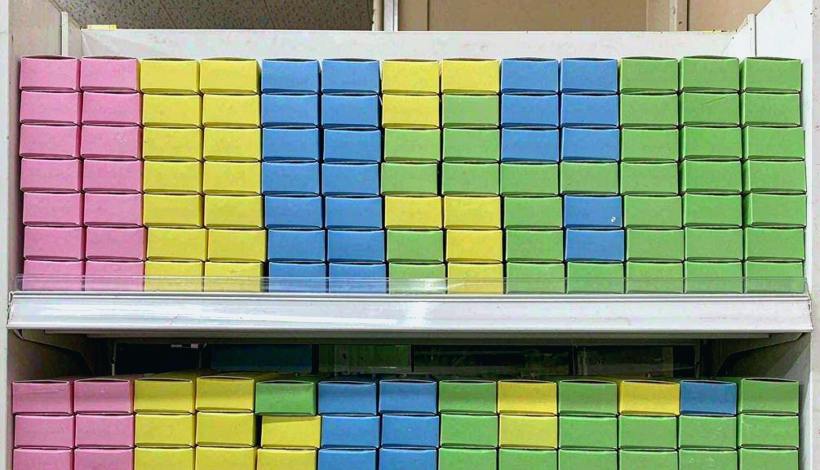
Low Nic Pods for Light Users looks straightforward until you start comparing quotations. Then the variables appear: carton sizes, labelling rules, tolerances, freight terms. The notes below walk through them in the order a real order encounters them.
Packaging, Labelling and Shelf Readiness
Labelling rules move, and Low Nic Pods for Light Users is no exception. Build a habit of confirming the current requirement for each destination at the point of order rather than reusing last year's artwork file. The cost of a reprint is small; the cost of a detained shipment is not.
Retail-ready packaging changes the economics of Low Nic Pods for Light Users more than most buyers expect. Barcodes, language variants and warning statements vary by destination, and fixing them after production means relabelling by hand. Confirm the artwork requirements for your market before the run starts.
Risk Management for Large Shipments
Insurance on Low Nic Pods for Light Users shipments is inexpensive relative to the exposure, particularly for sea freight where transit is long and handling points are numerous. Confirm what the policy covers and what it excludes before you rely on it.
Concentrate risk deliberately. Splitting a very large Low Nic Pods for Light Users order across two production slots costs a little more but protects you against a single bad batch wiping out a season's margin.
The simplest risk control for Low Nic Pods for Light Users is a documented paper trail: approved sample, written specification, inspection report and shipment photographs. When something does go wrong, that file is what turns a dispute into a claim.
Shipping Routes, Transit Time and Freight Options
Transit time for Low Nic Pods for Light Users depends far more on the route and the season than on the distance. Peak periods add days at both ends, and consolidations add handling. Build the realistic window into your reorder point rather than the best case the forwarder quotes.
Choosing between sea, air and express for Low Nic Pods for Light Users is a margin question, not a speed question. Sea freight protects unit economics on planned volume; air rescue shipments protect shelf availability. Most importers end up using both, and planning for that is cheaper than improvising.
What Low Nic Pods for Light Users Actually Covers
The phrase Low Nic Pods for Light Users gets used loosely in export enquiries, which is why quotations sometimes look impossible to compare. One factory may price a bare unit while another includes retail packaging, labelling and a master carton. Getting the scope written down first saves a round of emails and, more importantly, stops you from discovering the difference after the goods land.
Scope is the first thing to pin down with Low Nic Pods for Light Users. Hardware, consumables and packaging are often bundled differently depending on the factory, so a low unit price can quietly hide a higher landed cost. A one-page specification agreed before sampling removes most of that ambiguity.
Before comparing prices, it helps to agree on what counts as Low Nic Pods for Light Users. In day-to-day trade the term covers a fairly wide band of products, and two suppliers can quote very different things under the same label. Ask for a specification sheet that lists materials, dimensions and what is included in each unit, then compare that against what actually arrives in the carton.
| Cost Component | Share of Landed Cost | Notes |
|---|---|---|
| Product cost | 8% of landed cost | Moves with volume and specification |
| Packaging | 3% of landed cost | Higher for retail-ready formats |
| Freight and handling | 12% of landed cost | Route and season dependent |
| Duty and clearance | Destination specific | Follows from classification |
Storage, Handling and Shelf Life
Warehouse conditions matter more for Low Nic Pods for Light Users than most buyers assume. A few degrees of temperature difference over a summer changes how the product presents on the shelf. If you are storing through a hot season, plan for it rather than discovering it in returns.
Good stock rotation on Low Nic Pods for Light Users is simple: label by arrival date, pick oldest first, and keep a small buffer that is never touched. That buffer is what stops an unexpected demand spike from turning into an emergency air shipment.
Common Mistakes Buyers Make
Skipping the carton check is a close second. Packaging failures on Low Nic Pods for Light Users shipments rarely show up as a visible defect; they show up as scuffed retail units that will not sell at full price. Open a few cartons at random before signing off.
The most expensive mistake with Low Nic Pods for Light Users is ordering the full quantity before evaluating a sample. Production samples, not showroom units, are what you will receive. Run the sample through the handling it will actually face and only then commit.
The third mistake is treating the first order as the final specification. Low Nic Pods for Light Users improves once you feed back what the market did with it. Buyers who treat the first shipment as a test and the second as the real order usually end up with better margins.
Trends Shaping Low Nic Pods for Light Users This Year
Three things are shaping Low Nic Pods for Light Users in 2026: tighter compliance expectations, shorter product cycles, and buyers who want smaller, more frequent shipments. None of these are dramatic, but together they change what a good supplier looks like.
2026 has been a year of consolidation for Low Nic Pods for Light Users. Buyers are trimming ranges and concentrating volume with suppliers who deliver consistently, which favours preparation over improvisation.
- Keep a reorder calendar instead of reacting to stockouts
- Plan cartons around real handling, not catalogue photos
- Agree the specification in writing before sampling Low Nic Pods for Light Users
- Compare landed cost, not headline unit price
- Request the full document set during production
Whether you need a single carton to test or a container to fill a season, the process for Low Nic Pods for Light Users is the same. Reach out with your requirements and we will respond with specifics rather than a brochure.
Frequently asked questions
What happens if a Low Nic Pods for Light Users shipment arrives damaged?
Report it within the agreed window with photographs and carton references and we will work through a credit or replacement. This is much faster when an inspection report exists, which is why we recommend one for larger orders.
How is Low Nic Pods for Light Users packed for export?
Packing depends on the product and route, but the principle is the same: inner protection, a rigid master carton and a pallet pattern that survives handling. We can send photographs of the packing method before dispatch.
What is the best way to start a Low Nic Pods for Light Users enquiry?
The most useful starting message is short: product, approximate quantity, destination and target timing. With those four pieces of information we can usually respond with real options the same working day.
Can I get Low Nic Pods for Light Users with my own branding?
Yes — private label is available on most Low Nic Pods for Light Users lines. The usual options are printed logos, custom colourways and bespoke outer packaging. Each carries a different setup cost and minimum, which we list separately in the quotation.
How do I know the Low Nic Pods for Light Users I reorder will match the last batch?
We keep the approved specification and sample reference on file for every order and check against it at inspection. If a component changes, you hear about it before production rather than at delivery.
Related reading
Talk to us about low nic pods for light users bulk
Send us your target quantity, destination and timing. We answer with real options and a landed cost you can compare — normally within one working day.